


7NOW: Food Delivery & Alcohol
4.214.52K Reviews
App Specs
- Version
- 5.2608.0
- Updated On
- License
- Free
- Downloads
- 1,000,000+
- Developer
- 7-Eleven, Inc.
- Categories
- Food & Drink
- Platform
- Android
Screenshots
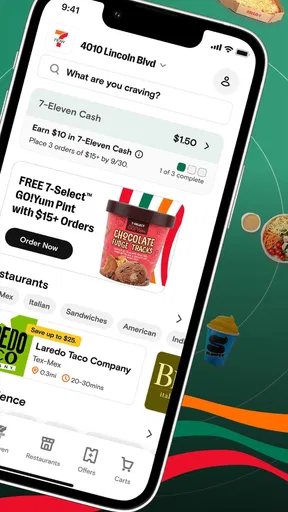
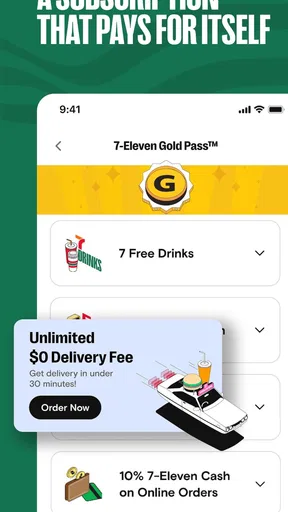
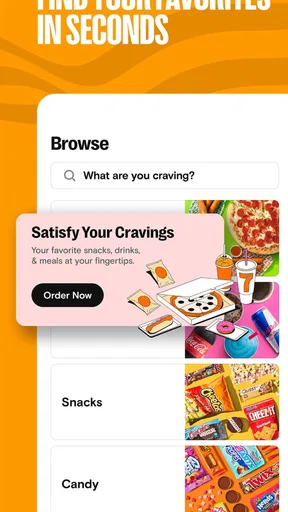
 Analysis by AppCompare
When I need a quick drink, snack, or small grocery item without turning the trip into a full shopping run, 7NOW is the kind of app I consider first. It is built around convenience-store delivery, with a focus on beer, snacks, and other everyday items available through participating 7-Eleven locations. I found the experience most useful when the need was immediate and modest rather than when I wanted to plan a complete household shop.
7NOW is a free Food & Drink app from 7-Eleven, Inc. It has been available since December 5, 2017, and its current version is 5.2608.0 for devices running operating system 10 or later. Its mature 17+ age rating makes sense because alcohol ordering is part of the service. With a 4.2 average from roughly 75,000 ratings and more than a million installs, it has clearly become a familiar option for people who want convenience-store delivery rather than restaurant meals.
From a sudden need to a doorstep delivery
I find it helpful to judge 7NOW by the small problem it is meant to solve: getting a few convenience-store items without making a separate trip. That starting point also makes it easier to weigh the next practical question—how much time and effort delivery actually saves—against the familiar option of going to the store myself.
Starting with the right kind of order
The best way to approach 7NOW is to begin with a specific situation. Maybe I am hosting a casual evening and realize I am short on ice, bottled drinks, salty snacks, or beer. Perhaps I am working from home and do not want to interrupt a busy afternoon for a small purchase. In those moments, the app makes more sense than driving to a store or placing a much larger supermarket order.
It is less compelling when I need fresh ingredients for several meals, carefully selected produce, or a broad weekly shop. A convenience-store catalog is naturally better suited to immediate needs, top-ups, and treats. Going in with that expectation prevents disappointment and makes the service feel focused instead of limited.
My first practical step is checking whether delivery is available for my location. Availability depends on the local 7-Eleven coverage and the store serving the order, so the app is most useful when the address is within an active delivery area. I would not assume that every item visible in one location will appear in another. Local inventory is an important part of the experience.
Building the basket without overcomplicating it
Once the delivery location is set, I browse the available selection and choose the items I actually need. The catalog is convenient for recognizable, ready-to-use products: drinks, packaged snacks, convenience foods, and alcohol where permitted. That makes browsing faster than walking through a store when I already know the general category I want.
Worth Reading Before You Choose

EA SPORTS FC Mobile 26 Is a Bigger Football Game, but It Takes Time

Flipboard Shows What News Apps Must Do Beyond the Feed

Switching to Android Auto Means Rethinking Your Driving Routine

Google Calendar Makes a Crowded Week Easier to Manage

Ludo King Makes the Most of the Minutes Between Plans

Baby Panda World Brings Quick Play to Modern Phones, but Its Game Library Feels Busy
A useful habit is to treat the basket as a small mission rather than an invitation to browse endlessly. I usually decide whether the order is for a late-night snack, a gathering, or a practical restock. That helps me notice substitutions in my own thinking before checkout. If a preferred flavor or brand is unavailable, I can decide whether a similar item is acceptable or whether the order is no longer worth placing.
The app is also a better fit for combining several small needs into one delivery. A drink by itself may not justify the wait or delivery charge, while drinks, snacks, and a missing household convenience item together can make the trip more worthwhile. This is one of the less obvious strengths of a convenience-focused service: it connects the little purchases that are annoying individually but useful together.
Reviewing the handoff before payment
The checkout stage deserves more attention than a quick tap-through. I review the selected store, the delivery location, the basket, and the final order details before confirming. For alcohol, I expect the handoff to require age verification, so I keep an appropriate identification document available and make sure the recipient is prepared to receive the order. Ordering for someone who cannot complete that handoff creates avoidable friction.
This is also where I think about timing. A convenience delivery is not the same as picking something up myself. The order has to move from the app to a local store, then from the store to a delivery handoff. If I need an item for a precise moment, I leave room for that process rather than placing the order at the last possible minute.
The most important practical tip is to check the complete basket and delivery details before committing, especially when alcohol is included. A small mistake in the address, an overlooked unavailable item, or an unprepared recipient can turn a simple order into a frustrating one.
What happens after the order leaves the screen
After confirmation, the experience becomes a chain of handoffs. The request reaches the local 7-Eleven location, the store prepares the selected products, and the delivery portion follows. That division explains why local stock matters so much. The app can present a convenient ordering layer, but the actual result depends on what the nearby store can fulfill at that moment.
I find it helpful to think of the app as a bridge between a digital basket and a physical convenience store, not as a warehouse with unlimited inventory. This distinction matters when ordering popular drinks, limited flavors, or several units of the same item. The closer the order is to ordinary convenience-store stock, the more predictable the experience tends to feel.
The handoff at the door is especially important for alcohol orders. The recipient needs to be available, and the age-check process can make an unattended drop-off unsuitable. That is a meaningful difference from ordering chips or bottled water. If nobody will be present, I would choose a different plan rather than assume the order can simply be left outside.
The result: where 7NOW earns its place
When the workflow goes smoothly, the result is genuinely useful. I can solve a small, immediate problem without getting dressed for a store run, finding parking, or adding a full supermarket trip to an already busy day. The app is particularly good at reducing the effort between realizing “we are out of something” and having a reasonable replacement on hand.
It also works well for informal gatherings. Instead of sending one person away from the conversation to buy extra refreshments, I can assemble a mixed basket from the phone. The convenience is not just delivery speed; it is the ability to handle several minor needs in one focused transaction.
Compared with restaurant delivery apps, 7NOW is more practical for packaged goods and convenience-store staples. Restaurant platforms are better when I want a prepared meal and menu-based customization. Compared with supermarket delivery, 7NOW is usually more suitable for a smaller, faster top-up than for planned shopping. Compared with walking into a 7-Eleven, the app saves travel time but adds the uncertainty and waiting associated with delivery.
That comparison helps define the audience. I would recommend it to someone who values convenience, lives near a participating location, and often needs drinks, snacks, or small essentials outside a planned shopping trip. I would be more cautious recommending it to someone who wants the lowest possible total cost, enjoys choosing every item personally, or needs a large and carefully organized grocery order.
Three ways to use it more intelligently
First, I would group the order around a clear purpose. For a movie night, I might combine drinks with several snack types. For a morning-after restock, I might focus on water, coffee-related convenience items, and something easy to eat. This reduces impulse browsing and makes it easier to judge whether delivery is worthwhile.
Second, I would avoid relying on a single hard-to-find item. If the entire reason for the order is one specific flavor or brand, local inventory can make the experience fragile. A better workflow is to build a basket that remains useful even if one choice changes. That way, a small stock issue does not undermine the whole order.
Third, I would plan the recipient handoff before placing an alcohol order. Someone should be present, ready to complete the required age check, and able to receive the delivery. This sounds obvious, but it is the difference between a smooth order and a failed attempt. Alcohol makes the delivery workflow more conditional than an ordinary snack order.
Where the flow breaks down
The biggest weakness is that convenience does not remove logistics. A local store may not have every item, and the order still depends on preparation and delivery. When I am already close to a 7-Eleven, walking in can be faster and gives me direct control over substitutions. The app is most valuable when avoiding that trip matters more than having absolute certainty.
The catalog can also feel narrow compared with a supermarket. It is excellent for immediate consumption and familiar convenience products, but it is not the tool I would use to compare a wide range of ingredients, plan several dinners, or manage a detailed household budget. The service solves a different problem, and expecting supermarket depth would be unfair to the format.
Alcohol adds another point of friction. Age verification and recipient availability are responsible safeguards, but they mean the order cannot be treated like an ordinary unattended delivery. Anyone ordering for a shared home should make sure the person receiving it understands that requirement.
There is also a value trade-off. Delivery is paying for saved time and reduced effort, not necessarily for the cheapest possible purchase. If I am already running errands nearby, buying directly may be the better choice. If I am busy, tired, hosting guests, or unable to leave easily, the convenience can justify choosing the app instead.
Who should install it, and who should skip it
I think 7NOW is worth trying if your usual emergency shopping list consists of drinks, packaged food, snacks, beer, and other convenience-store items. It is especially useful for people who prefer a focused order over a long supermarket visit. The free download also makes it easy to keep available for those occasional moments when a small delivery saves disproportionate effort.
I would skip it as a primary grocery solution if your needs are mostly fresh produce, large quantities, specialty ingredients, or precise product selection. I would also choose an in-person visit when timing is extremely tight or when I need to inspect alternatives myself. For a prepared dinner, a restaurant delivery service will usually be the more natural match.
The app’s mature age rating is relevant beyond the label because alcohol ordering changes the practical experience. Adults who use that part of the service should be ready for the required handoff conditions, while younger users may find that a meaningful portion of the catalog is not intended for them.
My final take after following the complete workflow
7NOW succeeds when the problem is small, immediate, and annoying enough that leaving home feels disproportionate. Its strongest quality is not an unusually broad shopping experience; it is the direct path from a local convenience-store selection to a delivery request. The process is easy to understand, and the app’s role is clear.
My honest recommendation is to keep it as a targeted convenience tool rather than treat it as a universal delivery app. Use it for a late snack, a drinks top-up, a casual gathering, or a forgotten item that does not justify a full shopping trip. Check the local selection, review the basket carefully, plan the timing, and prepare for the alcohol handoff when relevant.
With those expectations, 7NOW feels practical and dependable enough for the situations it is designed to handle. It will not replace a supermarket, a restaurant app, or a quick store visit in every circumstance. But when the need is a handful of convenience-store items and the real goal is avoiding an unnecessary trip, it can turn a minor household problem into a fairly painless delivery.
Pros
- Wide selection of meals
- snacks
- groceries
- and convenience items
- Alcohol delivery is available in eligible locations and time windows
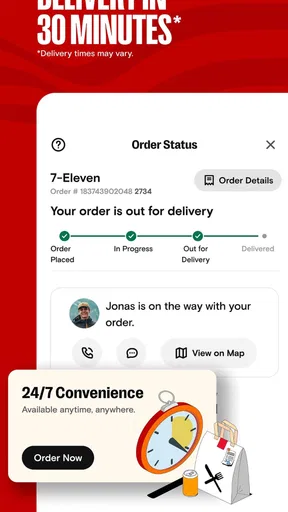
- Real-time order tracking helps monitor the delivery progress
- Scheduled delivery can be useful for planned meals or gatherings
- Frequent promotions and membership offers may reduce delivery costs
Cons
- Availability and product selection vary significantly by location
- Delivery
- service
- and small-order fees can increase the final price
- Alcohol orders require age verification and an eligible photo ID
- Delivery times may be longer during busy periods or bad weather
- Some items may be substituted or unavailable after placing an order
FAQs for 7NOW: Food Delivery & Alcohol
What is 7NOW: Food Delivery & Alcohol?
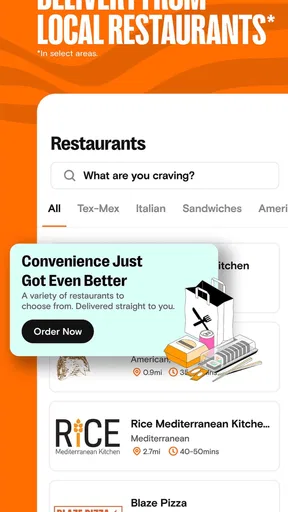
7NOW is a delivery service app from 7-Eleven that lets users order snacks, drinks, groceries, prepared food, and, in eligible locations, alcoholic beverages. After entering your address, the app displays products available nearby, estimated delivery times, fees, and any local restrictions. Availability can vary significantly depending on your city, store inventory, operating hours, and regional regulations.
Can I order alcohol through 7NOW?
Alcohol delivery is available only in selected areas and for users who meet the legal drinking age requirements. You may need to provide valid identification when placing the order and again at delivery, and the recipient must satisfy local verification rules. Drivers can refuse delivery if identification is missing, appears invalid, or the recipient seems intoxicated. Alcohol orders may also have separate fees, limits, and delivery-hour restrictions.
How much does 7NOW delivery cost?
The total price usually includes the item cost, a delivery fee, and potentially service, small-order, or other location-based charges. The exact amount is shown during checkout before you confirm the purchase. Pricing and promotions can differ between stores and markets, while taxes and alcohol-related fees may be calculated separately. It is worth reviewing the complete order summary rather than relying only on advertised item prices.
How long does a 7NOW order take to arrive?
7NOW generally provides an estimated delivery window after you select a store and enter your address. Delivery can be relatively quick for nearby convenience-store items, but the estimate may change because of store preparation, traffic, weather, driver availability, demand, or inventory issues. The app normally provides order-status updates, although the displayed time should be treated as an estimate rather than a guaranteed arrival time.
What should I do if an item is missing, unavailable, or incorrect?
If a product becomes unavailable, the store or delivery process may offer a substitution, remove the item, or adjust the order depending on the circumstances and your selected preferences. Check the delivered order promptly and use the app’s help or support options if something is missing, damaged, incorrect, or charged unexpectedly. Keep your receipt and order details available, since support may request them when reviewing a refund or credit request.


